

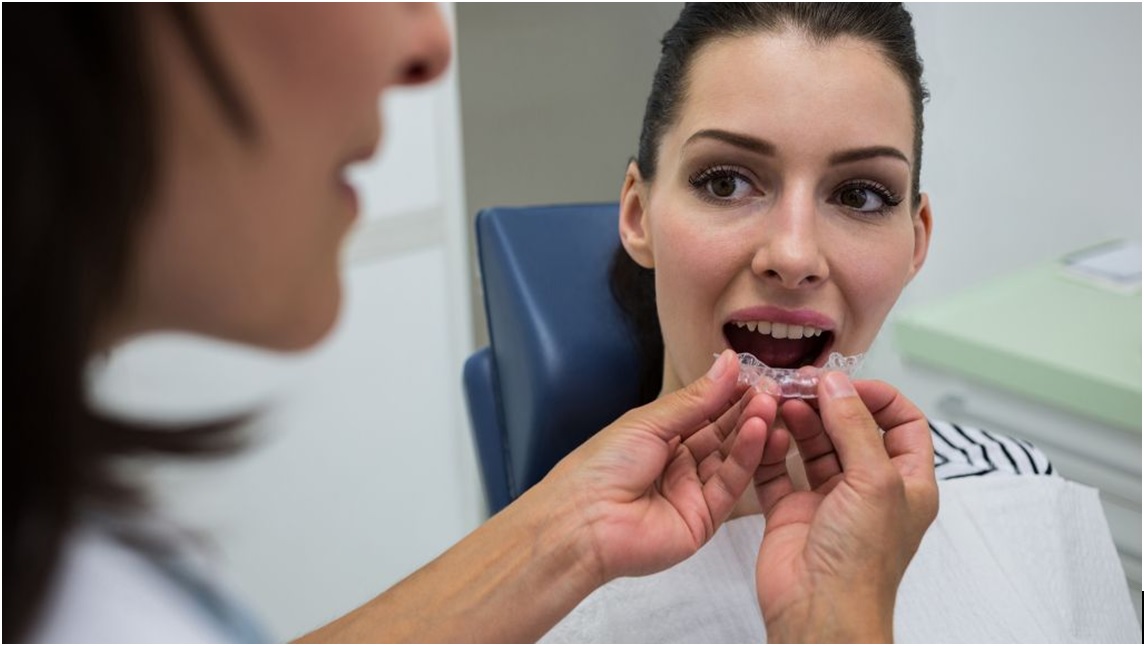
Getting braces or Invisalign is a big step toward achieving a straight, confident smile. But your habits during treatment play a huge role in how well the results turn out. Even small daily actions—like what you eat, how you clean your aligners, or whether you wear them enough—can change the outcome of your orthodontic care.
Key Takeaways:
- Oral hygiene is critical during orthodontic treatment—plaque can form within 4 to 12 hours, so brushing twice daily, flossing, and rinsing after meals prevents cavities, discoloration, and treatment delays for both braces and Invisalign patients.
- Food choices directly impact your treatment timeline—hard, sticky, and crunchy foods can break brackets or bend wires, while colored or hot drinks can stain or warp Invisalign trays, making it essential to avoid problem foods and remove aligners before eating.
- Wearing aligners 20-22 hours daily is non-negotiable—skipping even a few hours can cause teeth to shift back, making the next set of trays misfit and delaying progress by days or weeks.
- Bad habits like chewing on objects cause one-third of emergency visits—chewing pens, ice, or using teeth as tools can break brackets, crack aligners, and damage enamel, leading to costly repairs and treatment setbacks.
- Regular orthodontic appointments keep treatment on schedule—checkups every 4-8 weeks allow for timely adjustments, early problem detection, and faster results, while skipping visits can cause incorrect tooth movement and extended treatment time.
Many people believe braces or aligners work automatically, but that’s far from the truth. To get the best possible results, you need to pay attention to your everyday behavior. Let’s explore five common habits that can harm your progress and what you can do to avoid them.
1. Skipping or Rushing Oral Hygiene
Braces and Invisalign both require consistent cleaning. Ignoring your oral hygiene routine is one of the fastest ways to slow down your progress and create long-term problems.
Why Oral Hygiene Matters More During Treatment
Braces create tiny spaces around the brackets and wires where food can easily get stuck. Invisalign users face different challenges—bacteria can build up inside the aligner trays if they’re not cleaned properly. In both cases, poor oral hygiene can lead to plaque buildup, tooth discoloration, or even cavities.
According to the American Dental Association (ADA), plaque can start forming in just 4 to 12 hours after eating. So, skipping brushing or flossing even for a single day can create trouble.
How to Maintain a Clean Smile
- Brush your teeth at least twice a day for two full minutes.
- Floss daily using a floss threader or water flosser to reach tight spaces.
- Rinse your mouth after every meal to wash away leftover food particles.
- For Invisalign, gently brush your aligners with a soft toothbrush (without toothpaste) and rinse them with lukewarm water.
These simple steps can protect your smile and help your treatment progress smoothly. Your Orthodontist in Methuen will likely remind you that good oral hygiene is one of the most important parts of orthodontic care.
2. Eating Foods That Can Damage Braces or Aligners
One of the biggest adjustments during orthodontic treatment is changing how and what you eat. Certain foods can damage your braces or stain your aligners, delaying your progress.
Foods to Avoid with Braces
- Hard foods: Ice, nuts, hard candies, and popcorn kernels can break brackets or bend wires.
- Sticky foods: Chewing gum, caramel, and taffy cling to braces and are difficult to remove.
- Crunchy snacks: Chips or pretzels can get trapped around your brackets and cause discomfort.
Even biting into whole apples or corn on the cob can cause damage—cut them into smaller pieces instead.
Foods to Avoid with Invisalign
Invisalign aligners should always be removed when eating or drinking anything other than water. Colored drinks like coffee, tea, and soda can stain your trays. Hot drinks can even warp them, changing their fit.
Smart Eating Habits
- Always remove aligners before meals and store them safely.
- Brush and rinse before putting aligners back in.
- Choose soft foods like yogurt, mashed potatoes, pasta, or soups to avoid damaging brackets.
A mindful diet helps your treatment stay on track and your teeth stay healthy throughout the process.
3. Forgetting to Wear Your Aligners or Elastics
Consistency is key for both braces and Invisalign. Skipping even a few hours can set back your progress by days or weeks.
Why Consistency Matters
Invisalign works by applying gentle, continuous pressure to move your teeth into position. If you don’t wear your aligners for the recommended 20–22 hours per day, your teeth can shift back slightly. This means the next set of trays may not fit properly, delaying your treatment.
For braces wearers who use elastics (rubber bands), forgetting to wear them can slow down how your bite adjusts. These small rubber bands guide your teeth and jaws into better alignment, so skipping them means slower progress.
How to Stay Consistent
- Set phone reminders to put your aligners or elastics back in after meals.
- Keep a small case with you when you go out to avoid losing them.
- If you forget occasionally, put them back in immediately instead of waiting for the next day.
A reliable routine helps you avoid setbacks and reach your smile goals faster.
4. Chewing on Hard Objects or Using Teeth as Tools
Many people chew on pencils, ice, or even their fingernails without realizing how harmful it is—especially during orthodontic treatment.
Why This Habit Is Harmful
Braces have delicate components that can bend or break with pressure. Even Invisalign aligners can crack if you chew on them while wearing them. Beyond that, chewing on hard objects can wear down your enamel, cause small fractures, or create discomfort around the jaw.
A report by the American Association of Orthodontists (AAO) shows that nearly one-third of emergency orthodontic visits are caused by broken wires or brackets—often from bad habits like chewing on pens or biting nails.
Better Alternatives
- Keep sugar-free gum or a stress ball handy if you need something to chew or fidget with.
- Avoid opening packages, bottles, or anything else using your teeth.
- If a bracket or wire does break, contact your orthodontist right away rather than trying to fix it yourself.
Even small changes like these can prevent unnecessary repairs and pain.
5. Skipping Appointments or Ignoring Discomfort
Regular checkups are a major part of successful orthodontic treatment. Every visit helps your orthodontist make small adjustments that guide your teeth in the right direction.
Why Regular Visits Matter
Your orthodontist checks your progress, tightens wires, and replaces aligners on schedule. Skipping appointments means your teeth may shift incorrectly or treatment may take longer.
For Invisalign users, check-ins are usually every six to eight weeks, and for braces, it’s every four to six weeks. Staying consistent helps your treatment stay on track and ensures that any small issues are fixed early.
Ignoring discomfort is another mistake. A little soreness after adjustments is normal, but constant pain or loose brackets should never be ignored. Small issues can turn into big ones if left untreated.
What You Can Do
- Schedule all appointments ahead of time and set calendar reminders.
- Don’t skip or postpone checkups unless absolutely necessary.
- Report pain, poking wires, or fit issues immediately.
A good relationship with your orthodontic team makes your experience smoother and your results more reliable. A trusted Orthodontist in Methuen will guide you every step of the way and help address concerns quickly.
How to Protect Your Orthodontic Investment
Orthodontic treatment requires time, patience, and money. Protecting that investment means taking good care of your braces or aligners every day.
Simple Habits That Make a Big Difference
- Carry a small dental kit with a toothbrush, floss, and travel-sized mouthwash.
- Keep your aligner case with you so you don’t lose them while eating out.
- Avoid habits that can harm your teeth, such as smoking or biting on pens.
- Follow your orthodontist’s instructions carefully for faster, better results.
Good habits today mean fewer delays, less discomfort, and a beautiful, lasting smile tomorrow.
The Long-Term Benefits of Good Orthodontic Habits
Building better habits during treatment does more than straighten your teeth—it helps you maintain lifelong oral health. Here’s how consistent care benefits you even after your braces or aligners come off:
- Healthier gums: Straight teeth are easier to clean and reduce the risk of gum disease.
- Better bite: Proper alignment prevents jaw strain and uneven wear.
- Improved confidence: A well-aligned smile often boosts self-esteem and comfort in social settings.
- Less dental work later: Preventing cavities and alignment issues saves you money in the future.
These long-term advantages show why following your orthodontist’s guidance is worth the effort.
Small Habits, Big Results
The road to a perfect smile isn’t just about braces or aligners—it’s about your daily actions. Every meal, every brushing session, and every aligner you wear brings you closer to your goal.
Avoiding common mistakes—like poor cleaning, missed appointments, or chewing on hard objects—helps your treatment stay on track. With consistency, patience, and a few smart changes, you’ll see your smile transform faster and more beautifully than you imagined.
Remember, your orthodontist is your partner in this journey. By following their instructions and maintaining healthy habits, you’ll enjoy a smile that’s both strong and confident for years to come.
How often should I clean my Invisalign aligners?
Clean your Invisalign aligners every time you brush your teeth, ideally twice daily, using a soft toothbrush and lukewarm water without toothpaste, which can scratch the plastic. Rinse them after every meal before reinserting to prevent bacteria buildup and odor. This routine keeps aligners clear, hygienic, and effective throughout your treatment.
What should I do if a bracket breaks or a wire pokes my mouth?
Contact your orthodontist immediately rather than attempting to fix it yourself, as broken components can slow treatment progress or cause discomfort. Temporary relief can include using orthodontic wax on poking wires until your appointment. Nearly one-third of emergency orthodontic visits stem from broken brackets and wires, often preventable through careful eating and avoiding bad habits.
Can I speed up my orthodontic treatment by wearing aligners longer each day?
Wearing aligners beyond the recommended 20-22 hours daily won’t accelerate treatment, as teeth move on a biological timeline that requires gradual pressure and rest periods. However, wearing them less than recommended will significantly delay progress by allowing teeth to shift back. The best way to stay on track is maintaining consistent wear time, attending all scheduled appointments, and following your orthodontist’s cares instructions precisely.