

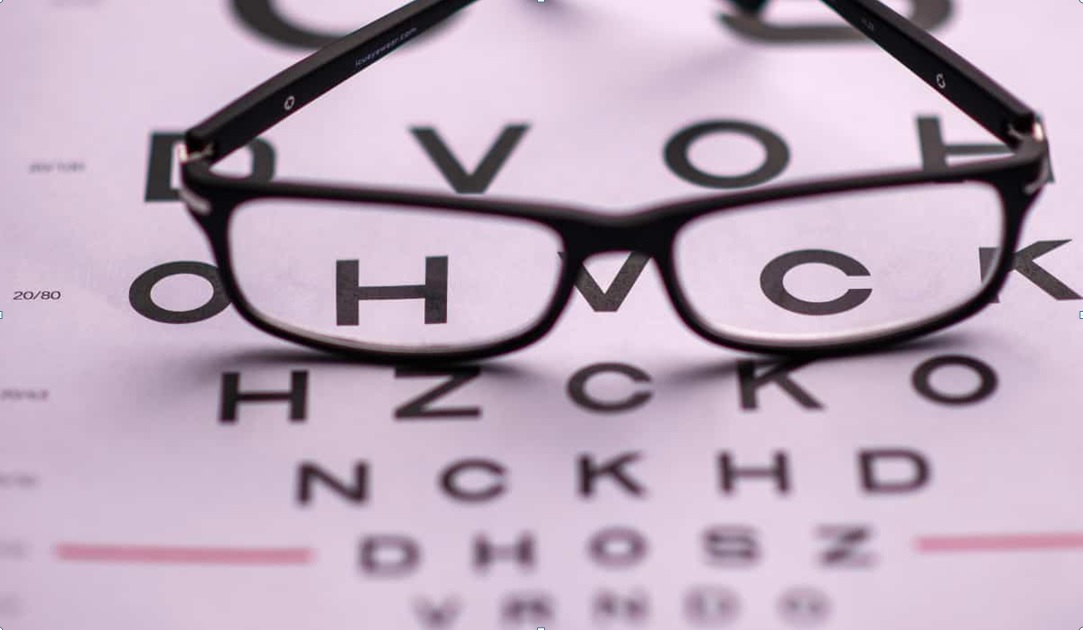
Good vision is one of the most valuable aspects of our daily lives, yet it often goes unnoticed until issues arise. Regular vision tests are essential for maintaining healthy eyesight, preventing long-term damage, and ensuring we perform our daily tasks safely and efficiently.
This article delves into the importance of regular vision tests, outlining how they can prevent future eye problems, detect early signs of diseases, and improve overall quality of life.
Key Takeaways:
- Early Detection Prevents Vision Loss: Regular eye exams can identify common vision issues such as myopia or astigmatism early, preventing them from worsening or leading to permanent damage.
- Identifies Silent Eye Diseases: Conditions like glaucoma and macular degeneration often have no early symptoms; routine tests can detect them before serious harm occurs.
- Tracks Changes Over Time: Vision naturally changes with age. Regular check-ups ensure prescriptions stay accurate and eyes remain healthy.
- Improves Daily Function and Safety: Clear vision supports essential tasks like driving, reading, and using devices, reducing accidents and eye strain.
- Reveals Overall Health Concerns: Eye exams can uncover signs of systemic diseases such as diabetes, high blood pressure, or even neurological issues.
Prevention of Vision Problems
The most obvious reason to undergo routine vision tests is the early detection of vision problems. Many common eye conditions, such as nearsightedness (myopia), farsightedness (hyperopia), astigmatism, and presbyopia, are gradual in onset and may not be immediately noticeable. If left untreated, these conditions can lead to more serious complications, including permanent vision loss.
For instance, myopia or hyperopia may go unnoticed until it significantly impairs one’s ability to see clearly. Regular eye exams help identify these issues in their early stages, allowing for timely correction through glasses, contact lenses, or surgery. Without regular checks, individuals may adjust to poor vision over time, causing further strain on their eyes and contributing to headaches, fatigue, and even neck or back pain due to poor posture.
Early Detection of Serious Eye Diseases
Certain eye diseases do not present symptoms in their early stages, making them particularly dangerous. Conditions such as glaucoma, macular degeneration, and diabetic retinopathy can cause irreversible damage to vision before any noticeable signs appear. For example, glaucoma often goes unnoticed until significant damage to the optic nerve has occurred, potentially resulting in permanent blindness.
Regular eye exams can detect early signs of these conditions, often before symptoms emerge. Early intervention is crucial in preventing vision loss. For instance, if glaucoma is detected early, medication or surgery can help control the disease and prevent further damage to the optic nerve. Detecting macular degeneration early can lead to treatments that slow its progression, preserving vision for longer.
Monitoring Changes in Vision Over Time
Our vision naturally changes as we age. For adults, especially those over 40, vision problems related to aging, such as presbyopia (the inability to focus on nearby objects), become more common. Over time, even slight changes in vision may not seem significant, but they can accumulate and cause significant difficulties with everyday tasks, including reading, driving, and working.
By scheduling regular vision tests, you can monitor changes in your eyesight and receive corrective lenses or treatments tailored to your specific needs. In some cases, a change in prescription can significantly improve quality of life by allowing for clearer and more comfortable vision. Regular exams also ensure that your eyes remain healthy and protected, helping prevent complications that may arise from unaddressed changes in vision.
Impact on Quality of Life
Good vision is essential for performing daily tasks effectively and safely. Driving, reading, using electronic devices, and even recognizing faces rely on clear eyesight. Regular vision tests ensure that any issues with sight are corrected before they begin to interfere with these activities. Moreover, they help reduce the risk of accidents, particularly those that occur while driving or walking.
In children, regular eye exams are especially important. Vision problems can have a significant impact on their development, learning, and social interactions. Undiagnosed vision issues in children can lead to poor academic performance, difficulty participating in sports or social activities, and even emotional stress. Early diagnosis and treatment of vision issues can help children reach their full potential and avoid struggles later in life.
Diabetic Eye Exams and Other Health Concerns
For individuals with underlying health conditions like diabetes, regular eye exams are even more crucial. Diabetes can lead to diabetic retinopathy, a condition that damages the blood vessels in the retina and is one of the leading causes of blindness in adults. By having eye exams regularly, those with diabetes can catch the early signs of diabetic retinopathy, making it possible to manage the condition before it leads to severe vision loss.
Moreover, a vision test can also uncover other health concerns. The eyes are often considered the window to overall health because they can reveal signs of systemic diseases, such as high blood pressure, cholesterol issues, and even brain conditions like a brain tumor or stroke. During an eye exam, an eye care professional may notice changes in the blood vessels of the eye or swelling of the optic nerve, leading to further investigation into these health issues.
Ensuring the Right Prescription for Eyewear
Even if you’re not experiencing any noticeable vision problems, regular tests ensure that your prescription for glasses or contact lenses is up-to-date. As we age, the eyes’ ability to focus and adjust can change, making it essential to have frequent assessments of our vision needs. Wearing an outdated prescription can lead to headaches, eyestrain, and blurred vision.
Regular vision tests ensure that you receive the most accurate prescription, contributing to clearer vision and greater comfort. Whether you need glasses for reading, distance vision, or both, ensuring your prescription is up-to-date will help you avoid the discomfort of poor vision.
Regular vision tests are crucial for maintaining eye health, identifying potential problems early, and ensuring you can live life with optimal vision. From preventing simple refractive errors to detecting serious eye conditions, eye exams play an integral role in preserving sight and overall health. Whether you are young or old, taking the time to have your eyes tested regularly is a small but essential step toward protecting one of your most precious senses—your sight.
How often should I have a vision test?
Most adults should have an eye exam every 1–2 years, though those with existing eye conditions or risk factors like diabetes may need more frequent check-ups.
Can I skip eye exams if my vision seems fine?
No. Many serious eye diseases show no early symptoms. Regular tests help detect hidden issues before they cause noticeable problems or irreversible damage.
Are vision tests only about getting new glasses?
Not at all. While updating prescriptions is important, comprehensive eye exams also evaluate eye health, detect diseases, and assess overall wellbeing.